As a community pharmacist, I often see people searching for a quick fix for stress, anxiety, loneliness, and burnout. While medication absolutely has its place, the following is something that many of my longtime colleagues and I know: human connection itself can be deeply therapeutic. According to Psychology Today, mental health improves when people feel part of a supportive community rather than isolated individuals trying to manage life alone.
As a pharmacist, I have witnessed firsthand that relationships, shared experiences, volunteering, neighbourhood involvement, and meaningful conversations can reduce stress and create a stronger sense of purpose. Community helps people feel seen, valued, and emotionally safer. In many cases, simple social interactions — chatting with neighbours, joining a walking group, attending local events, or participating in faith or hobby groups — can positively affect mood and resilience.
From my perspective, this reinforces the importance of non-medical remedies alongside traditional healthcare. Sleep, exercise, routine, nutrition, fresh air, laughter, and especially connection are often overlooked forms of medicine. A caring conversation at the Yurek’s counter may not come in a prescription bottle, but it can still improve someone’s day — and sometimes their mental health. Strong communities don’t replace medical care, but they often help prevent people from reaching a crisis point in the first place. Take care of yourselves and each other.
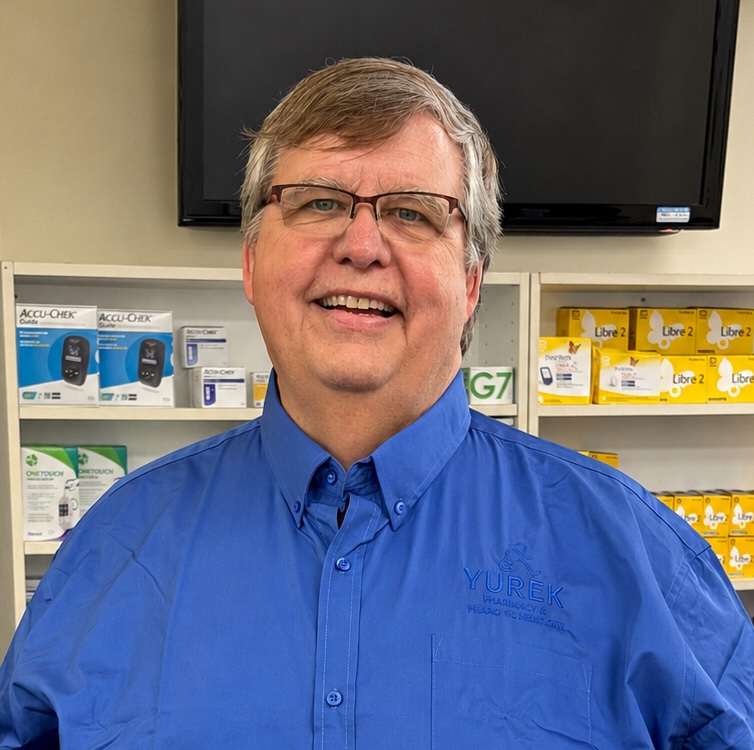
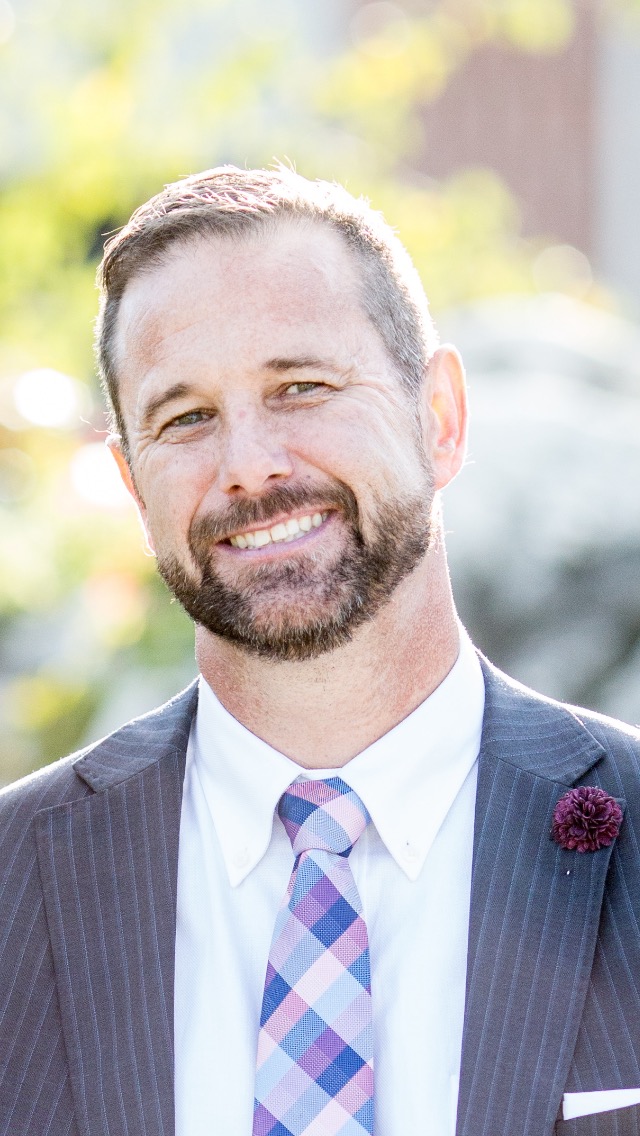
By Steve Bond, BSc. Phm.