
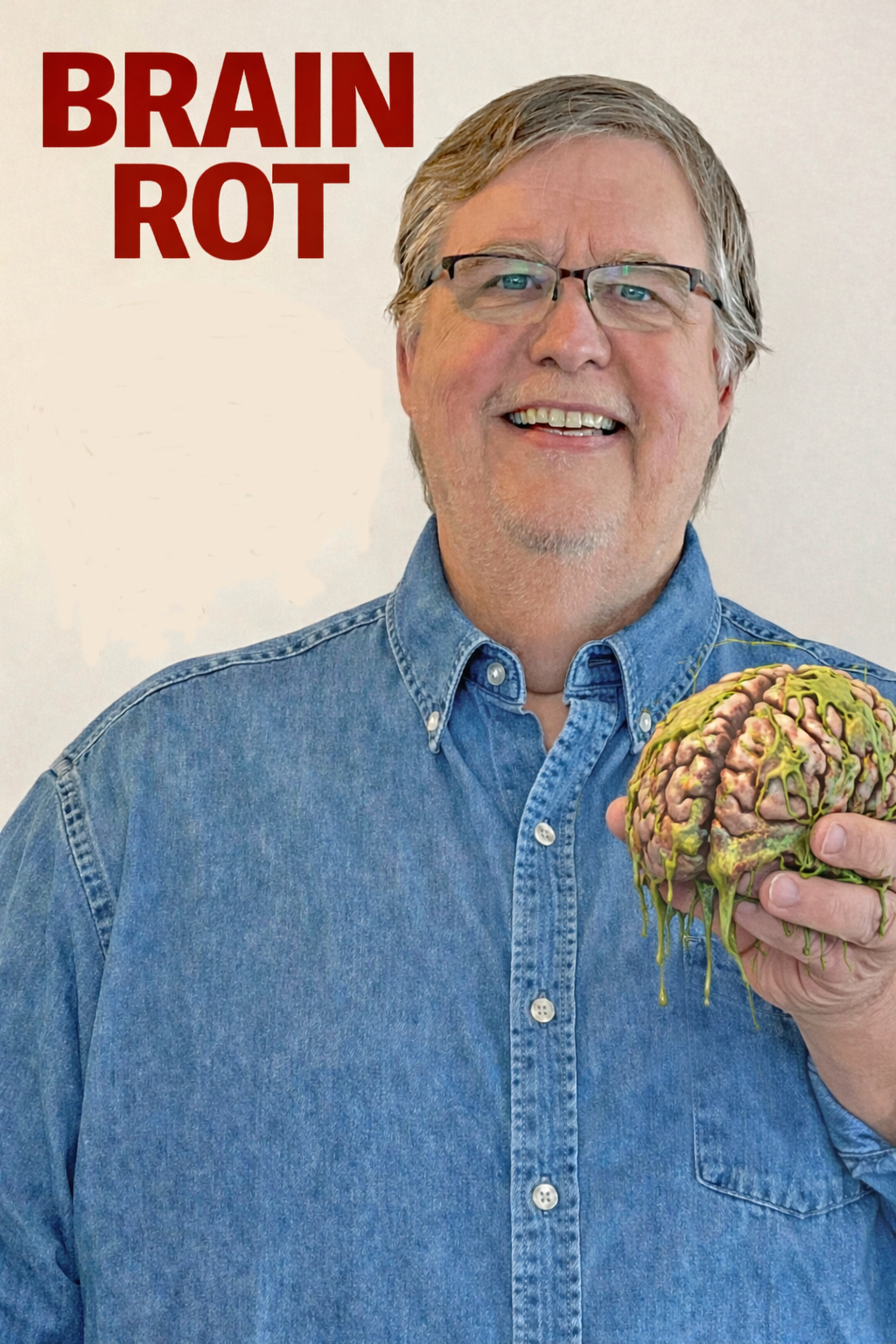
Across Canada, from the lecture halls of the University of Toronto, where my son is a student, to St. Joseph’s High School in St. Thomas, where I was a student, a new term is dominating the cultural conversation: brain rot. Oxford University’s 2024 Word of the Year, the phrase describes the mental fog and intellectual decline caused by the overconsumption of low-quality, “sludge” digital content.
For our Gen Z and Gen Alpha, “brain rot” is more than a critique—it’s a dialect. Phrases like skibidi, rizz, and sigma have migrated from TikTok screens into their everyday speech, causing a visible “communication gap” between generations. While some linguists argue this is simply the natural evolution of slang, others point to a more concerning trend. Research from Toronto Metropolitan University recently noted that students struggle to engage with videos longer than three minutes, indicating a significant dip in their attention spans.
However, the Canadian perspective isn’t entirely pessimistic. Many young people use the term self-deprecatingly, acknowledging their “bed rotting” habits as a survival mechanism against the high-pressure academic and economic climate of 2026. Whether it is a legitimate crisis for parents or just a digital-age inside joke, “brain rot” has become the mirror for our modern relationship with technology.
While researchers at Toronto Metropolitan University emphasize that “brain rot” is not a formal medical diagnosis, they conclude that the chronic overconsumption of short digital content acts as a “digital drug” that overtaxes the brain’s reward systems, ultimately impairing memory and attention.
By Peter Yurek, BSc. Phm.