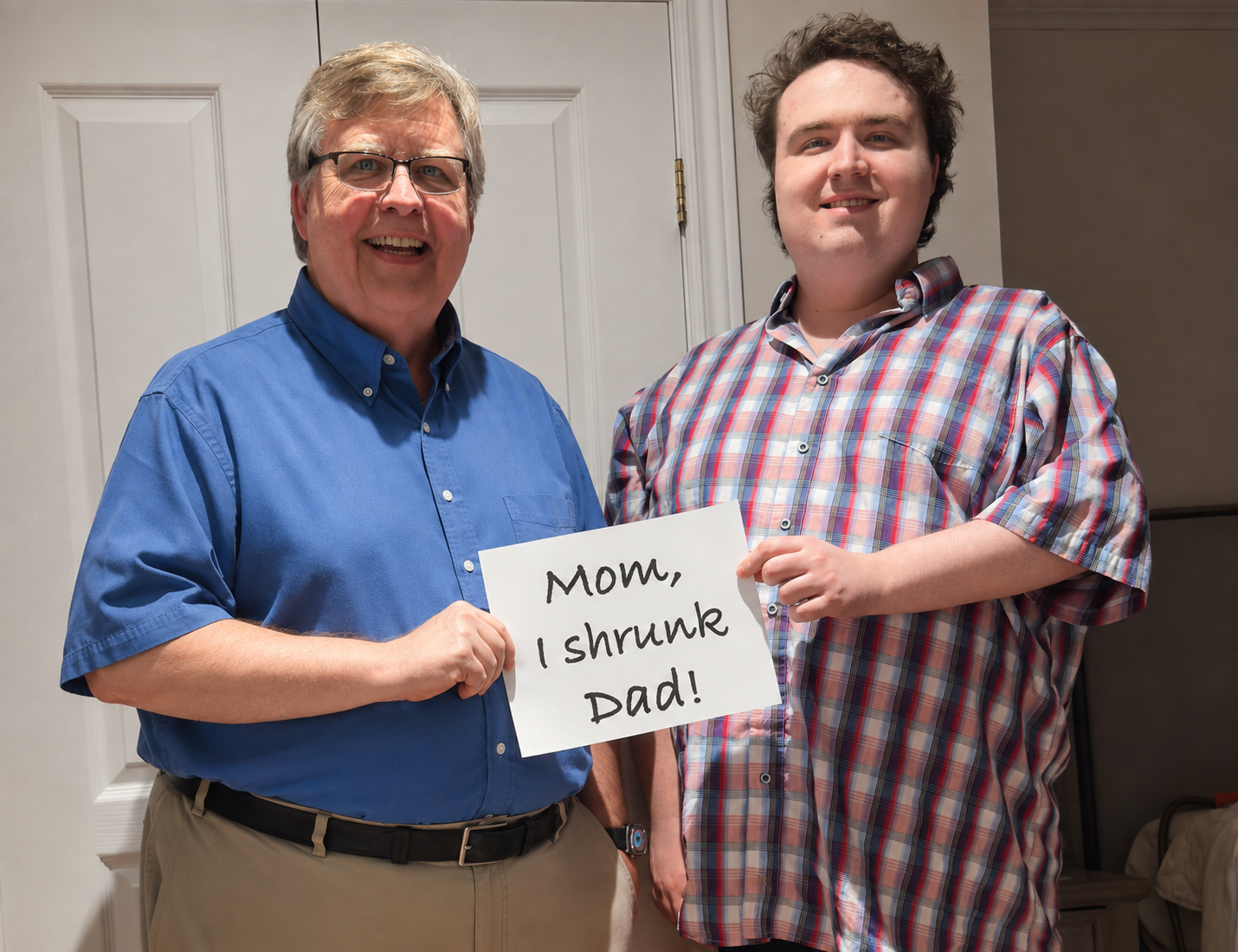
As I get older, I feel like I’m not as tall as I used to be. Whenever I am walking side by side with my son, I feel shorter. A bit of height loss is normal as we age, but what are some causes of height loss?
Age-related bone density loss weakens bones and reduces their ability to support your body weight. Weakened bones impact your spine, causing the vertebrae to thin and develop tiny cracks called compression fractures. This leads to osteoporosis, which causes your spinal column to become shorter.
Disk compressions in the spine can also be a culprit for height reduction. Your spine consists of many vertebrae and spinal disks stacked on top of each other. Over time, spinal disks wear down, and as they become flatter and thin out, they take up less space between your vertebrae.
Finally, while weaker muscles aren’t directly responsible for reducing your height, they can make you appear shorter by affecting your posture and spinal support. For instance, weak back and core muscles can lead to slouching.
While aging is normal, there are things you can do to protect your bones and reduce the risk of significant height loss. By eating lots of calcium and staying physically active, you can work to maintain your health and height. A little height loss may be part of aging, but strong bones and good posture can help you stand tall — and help you feel better — for years to come.
By Peter Yurek, BSc. Phm.