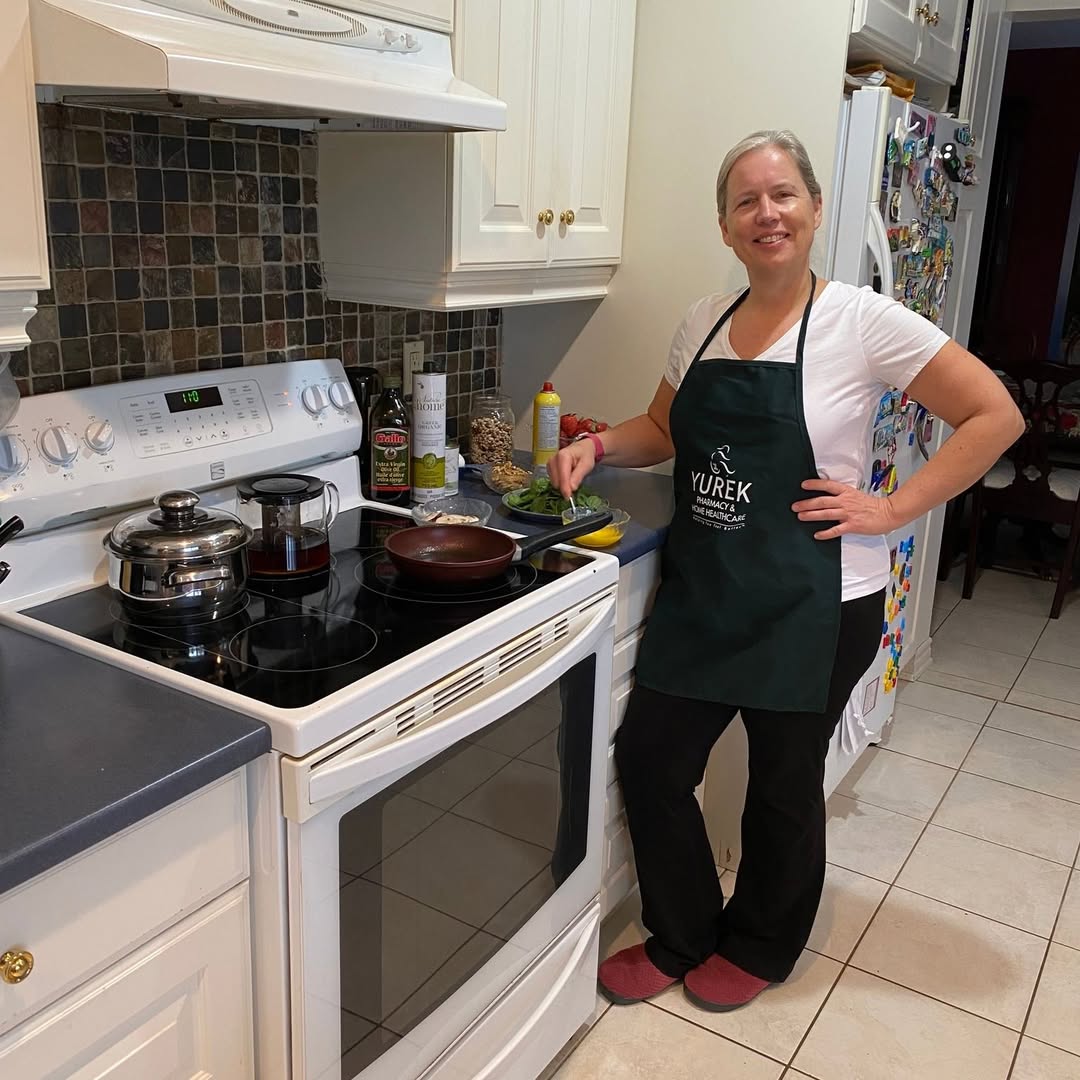
Do you enjoy having family and friends over for dinner? Same here. It’s a bit of work—especially when someone has gluten sensitivities—but if they’re at my table, they matter. And honestly, I enjoy the planning just as much as the cooking.
The biggest priority? Avoiding cross-contamination. Ideally, I use a separate space to prep gluten-free food. If counter space is tight, a thorough wipe-down before you start goes a long way. I also make sure pots, pans, and utensils are well-scrubbed before using them.
When I’m baking, I always make the gluten-free items first. They get prepped, baked, and stored away before any regular flour comes out. It’s a simple step that helps prevent stray flour from sneaking into gluten-free treats.
If others are helping in the kitchen, I give them a quick heads-up about the importance of keeping things separate. Extra hands are great—but a little coordination keeps everyone safe.
Taking care of someone’s dietary needs isn’t just about food—it’s about trust. It might feel like a lot at first, but once you get into the rhythm, it becomes second nature.
By Diane Alavie, BSc. Phm.