A recent Bloomberg article, titled Millennials, Gen X Set to Inherit Boomers Antique Collectible Fortunes caught my attention. It looks at what people are calling the “Great Wealth Transfer,” but focuses on the part no one talks about enough: the huge amount of stuff older folks like my generation have gathered over a lifetime. It’s not just money moving down the line — it’s decades’ worth of collections, antiques, and odds and ends we thought were worth keeping.
At the centre is the story of Nick Malis, an heir who now has to deal with thousands of items his mother collected. We’re talking 10,000 Pez dispensers, old figurines, antique corsets, signed magazines, and all kinds of nostalgic pieces she picked up over the years. It’s the kind of mountain many families will face.
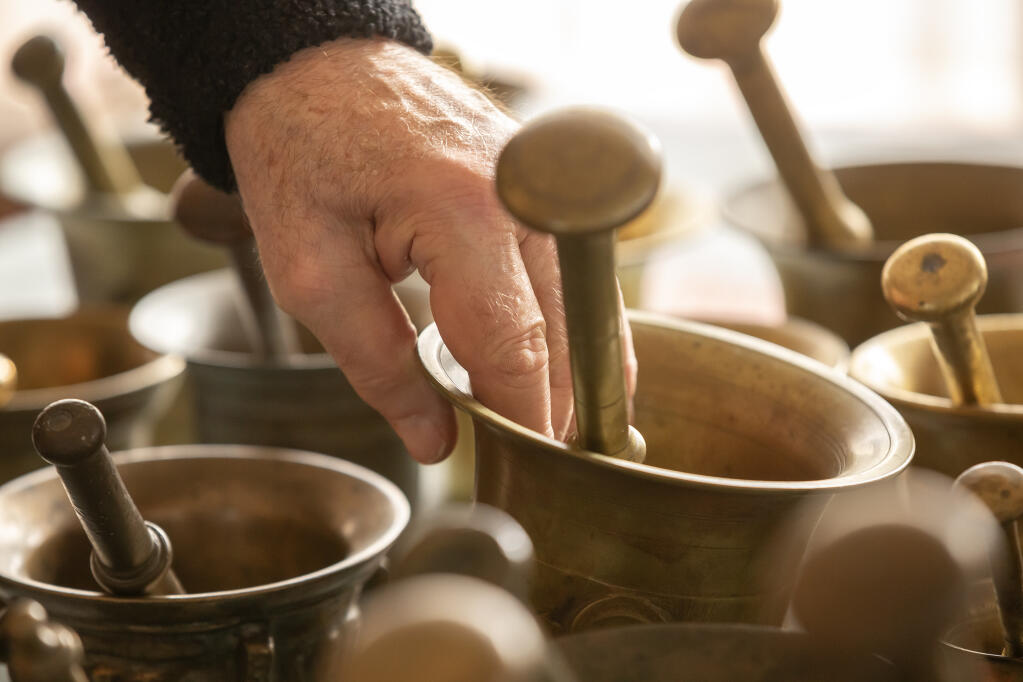
The article points out that as Boomers and those older than us pass on our estates, younger generations won’t just get financial assets. They’ll inherit rooms and closets full of antiques, memorabilia, toys, art, vintage goods, and personal collections we spent years organizing, the way I’ve collected every mortar and pestle on my shelf.
All this physical legacy is both a blessing and a burden. Some things are valuable or meaningful, while others will simply take up space. Heirs will have to choose what to keep, sell, or let go of. This “great stuff transfer” makes estate sorting harder and raises questions about what’s worth preserving.
Please keep in mind that while your kids focus on the money changing hands, the sheer bulk of physical belongings deserves just as much attention, since it will affect how families handle memories, inheritances, and the resale of collectibles.
In my opinion, the smartest move might be clearing the decks before your kids are standing ankle-deep in your life’s curios. If you’ve got collections your heirs don’t actually want — whether it’s Pez dispensers, porcelain figurines, or a proud army of mortar and pestles — consider selling or donating them now to people, museums, or charities that will light up when they see them. That way, your treasures find good homes, your family avoids a future excavation project, and you get the satisfaction of seeing your prized pieces appreciated while you’re still around to enjoy it.
By Peter Yurek, BSc. Phm.