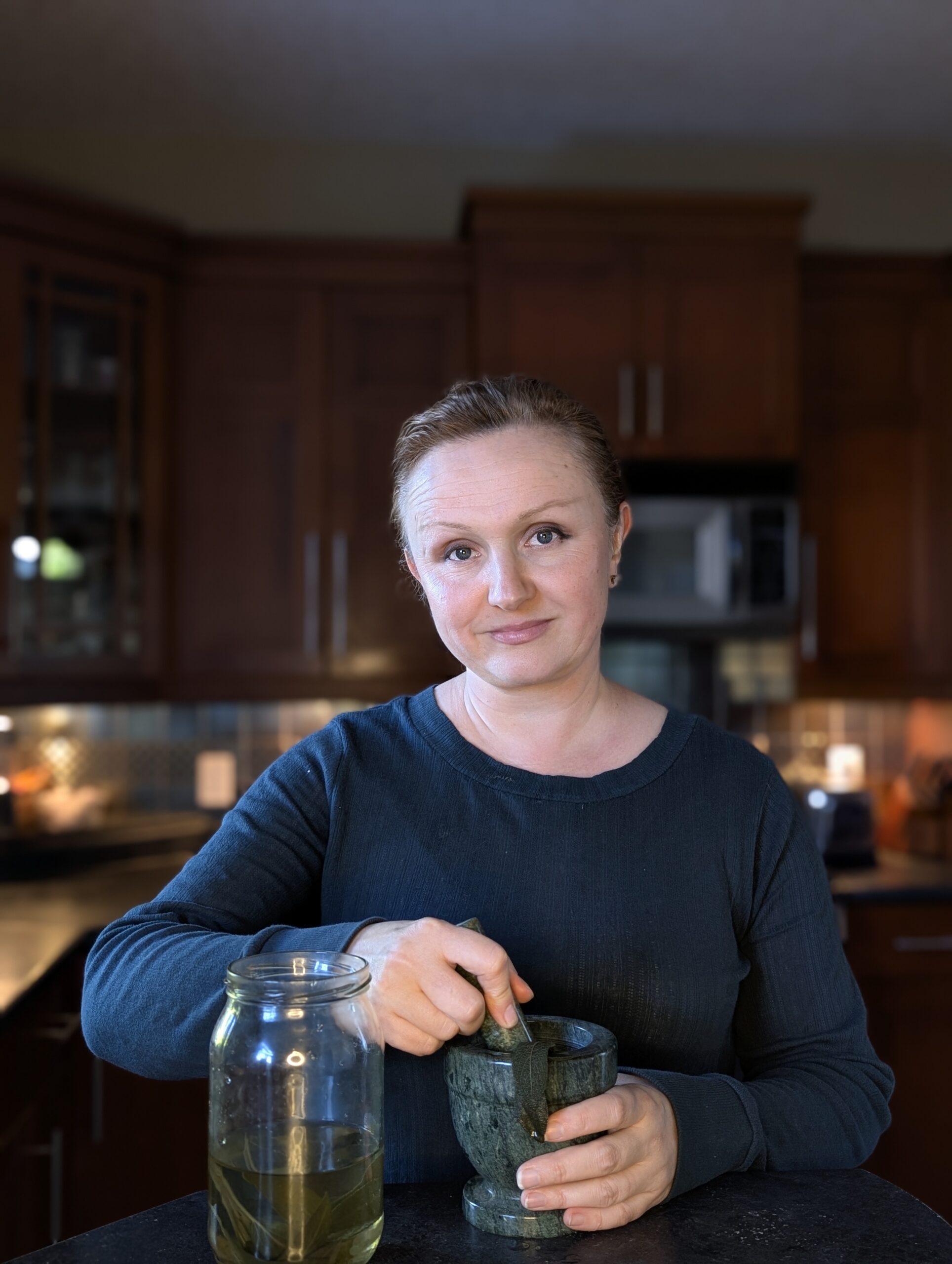
Now that back-to-school season is upon us, I like to take stock of home remedies. Usually, we keep a stock of chicken soup, just in case one of the kids wakes up and feels under the weather. Not only are they commonplace in most households, but they can help when you’re in a pinch.
Some of the most common home remedies include ginger, honey, and vitamin C. They can also come in supplement form, such as zinc. While home remedies are good for you, there are certain groups that should be cautious when using supplements. These include:
- Pregnant women, women who are breastfeeding, or trying to become pregnant
- Children
- Those who are immunocompromised
- Individuals with kidney or liver disease
- People taking prescription medication or preparing for surgery
Additionally, it’s best to check with your doctor or nurse practitioner before taking supplements.
Finally, it’s important to note that home remedies and supplements help you feel better, but they alone can’t cure sicknesses. Additionally, home remedies can’t replace vaccinations or practices such as getting lots of rest. If you want further information on which home remedies are best for you, talk to your doctor or nurse practitioner.
By Daria Horbal, BSc. Phm.