For the children and grandchildren of European immigrants, Remembrance Day is more than a ceremony. It is a bridge between the lives we have and the histories our families carried across oceans.
Some people’s parents and grandparents may have arrived after war, displacement, or hardship. Some served; others lost homes, relatives, or the countries they once knew. When we stand for the two-minute silence, we remember not only those who died in uniform, but the civilians, refugees, nurses, and families whose lives were reshaped by conflict.
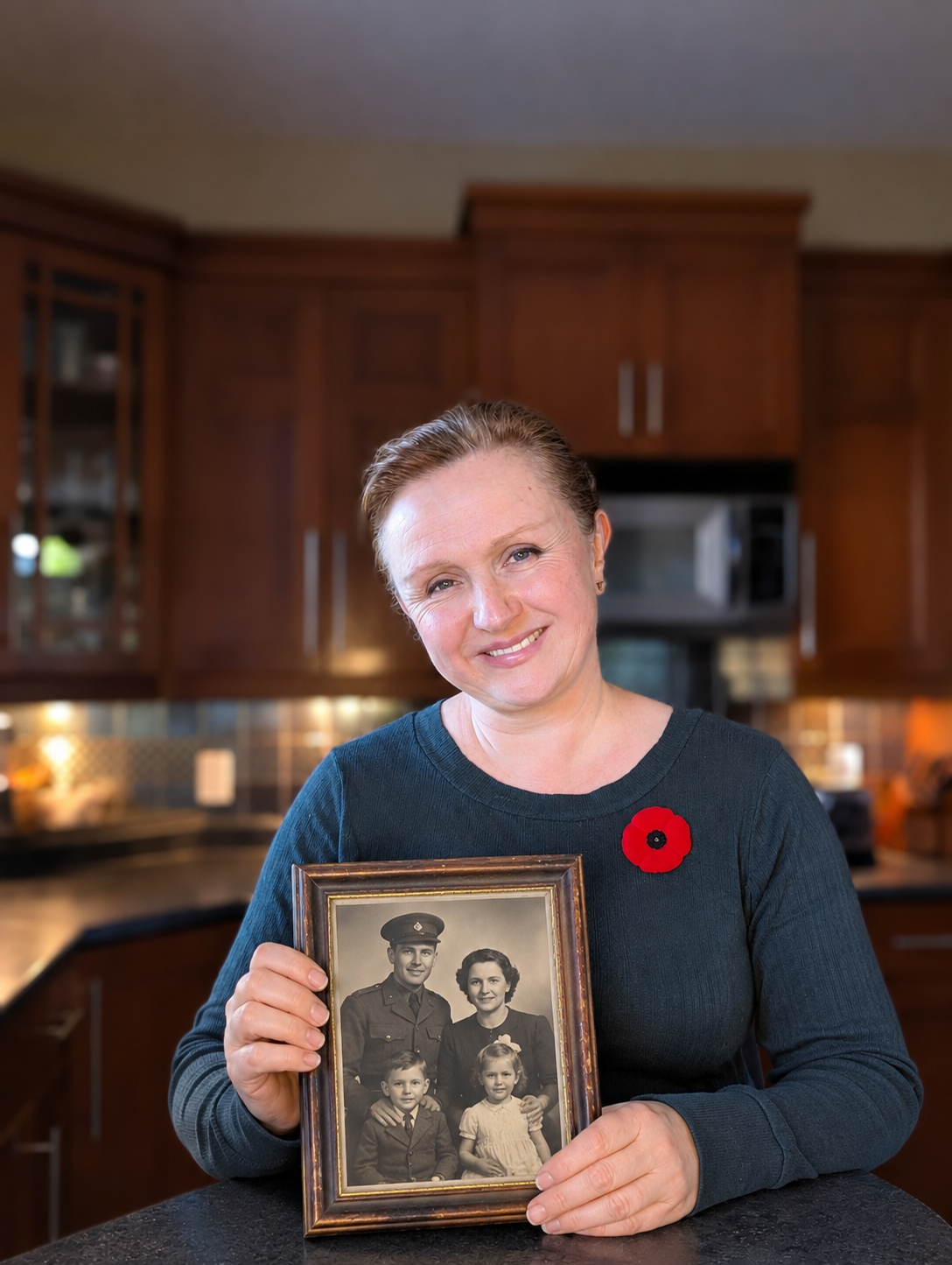
Remembrance Day, observed on November 11, marks the end of the First World War and honours those who served and sacrificed. For many immigrant families, the poppy becomes a quiet promise: we will not forget the fear, courage, and loss that came before us.
It is also gratitude. We often connect commemoration with freedom, learning from the past, and passing heritage to younger generations. Our presence here—in safety, with opportunity—can be part of that legacy.
So today, we remember. We honour those who did not come home, those who rebuilt after devastation, and the ancestors whose survival made our lives possible. Lest we forget.
By Daria Horbal, BSc. Phm.